

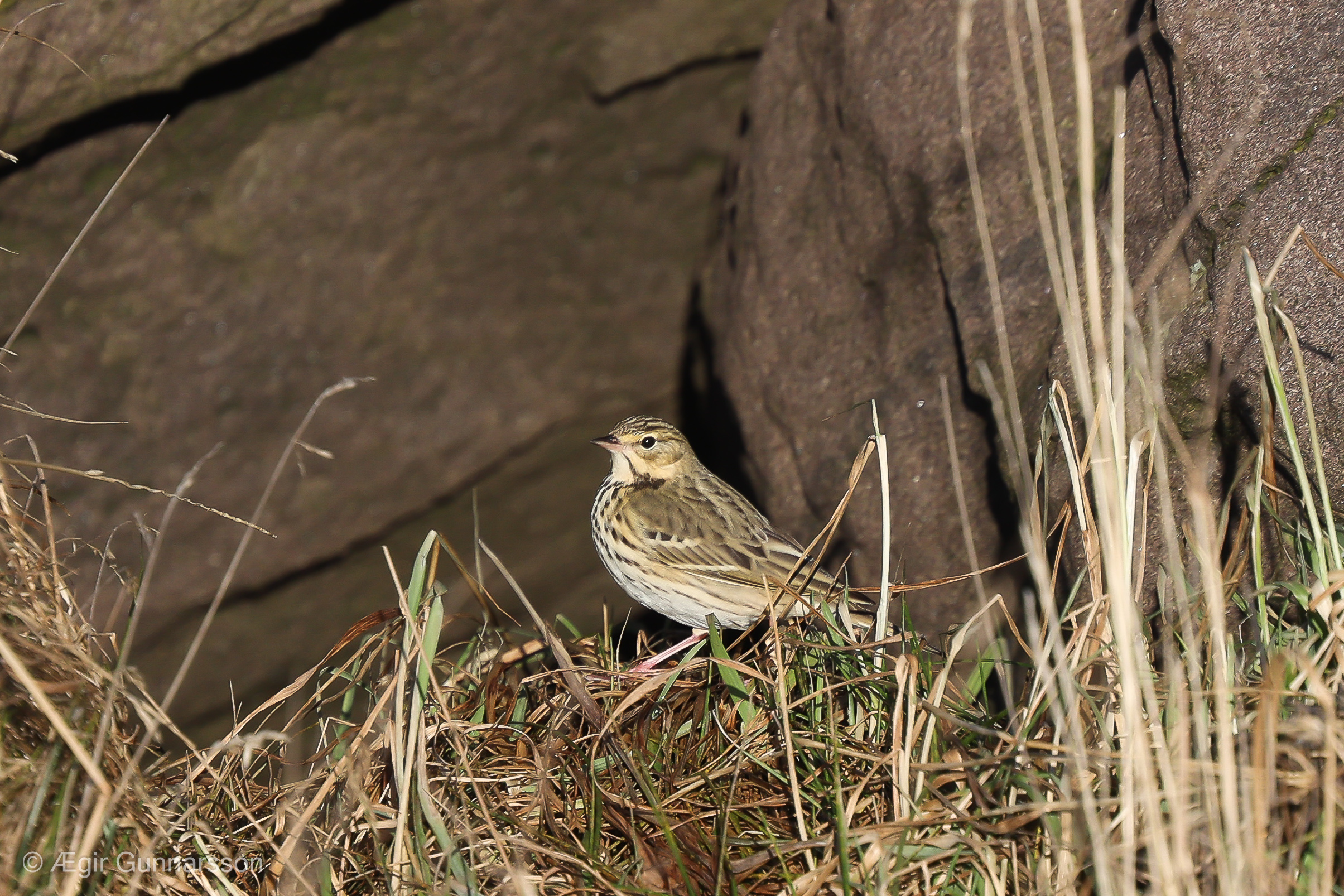
Trjátittlingur líkist mjög þúfutittlingi í útliti en það eru nokkrir hlutir sem hjálpa við greiningu á þeim. Hér er smá yfirlit sem gervigreindin tók saman um muninn á þeim.
Tree Pipits (Anthus trivialis) and Meadow Pipits (Anthus pratensis) are small, streaky brown birds that look very similar, but they differ in bill size, flank streaking, behavior, and vocalizations. [1, 2, 3]
Key Differences
- Plumage & Breast/Flank Streaking: Tree Pipits have a rich buff-orange breastband with fine “pencil” streaking on the flanks and a clean, whiter belly. Meadow Pipits show colder buff-brown tones with bold black streaking that extends noticeably down their flanks and across the belly. Learn more via BirdGuides Identification Article. [1, 2]
- Bill & Head Shape: Tree Pipits have a heavier, stouter, wedge-shaped bill with a pale pink base on the lower mandible, blending smoothly into the forehead. Meadow Pipits have a thinner, more slender bill and a less distinct supercilium (eyebrow stripe). Read more on The Wildlife Trusts Species Profile. [1, 2, 3]
- Hind Claw Length: Tree Pipits have a noticeably shorter hind claw, whereas Meadow Pipits have a significantly longer hind claw adapted for walking on open ground. [1, 2]
- Habitat & Perching: Tree Pipits are summer migrants associated with scattered trees, forest edges, and scrub, and they frequently perch visibly at the very tops of trees or power lines. Meadow Pipits are more common, ground-dwelling birds of open grasslands, moors, and fields. Explore British Trust for Ornithology resources at BTO Bird Identification Guide. [1, 2]
- Call & Song: Tree Pipits deliver a rich song starting with “chip chip chip” notes followed by buzzy phrases, ending their song flight with a characteristic “seeu cu Seu” while parachuting down to a tree. Meadow Pipits give a weak, high-pitched “ist” call and a descending, fluty-buzzy song flight starting with “zip zip zip”. [1, 2, 3]

Trjátittlingur
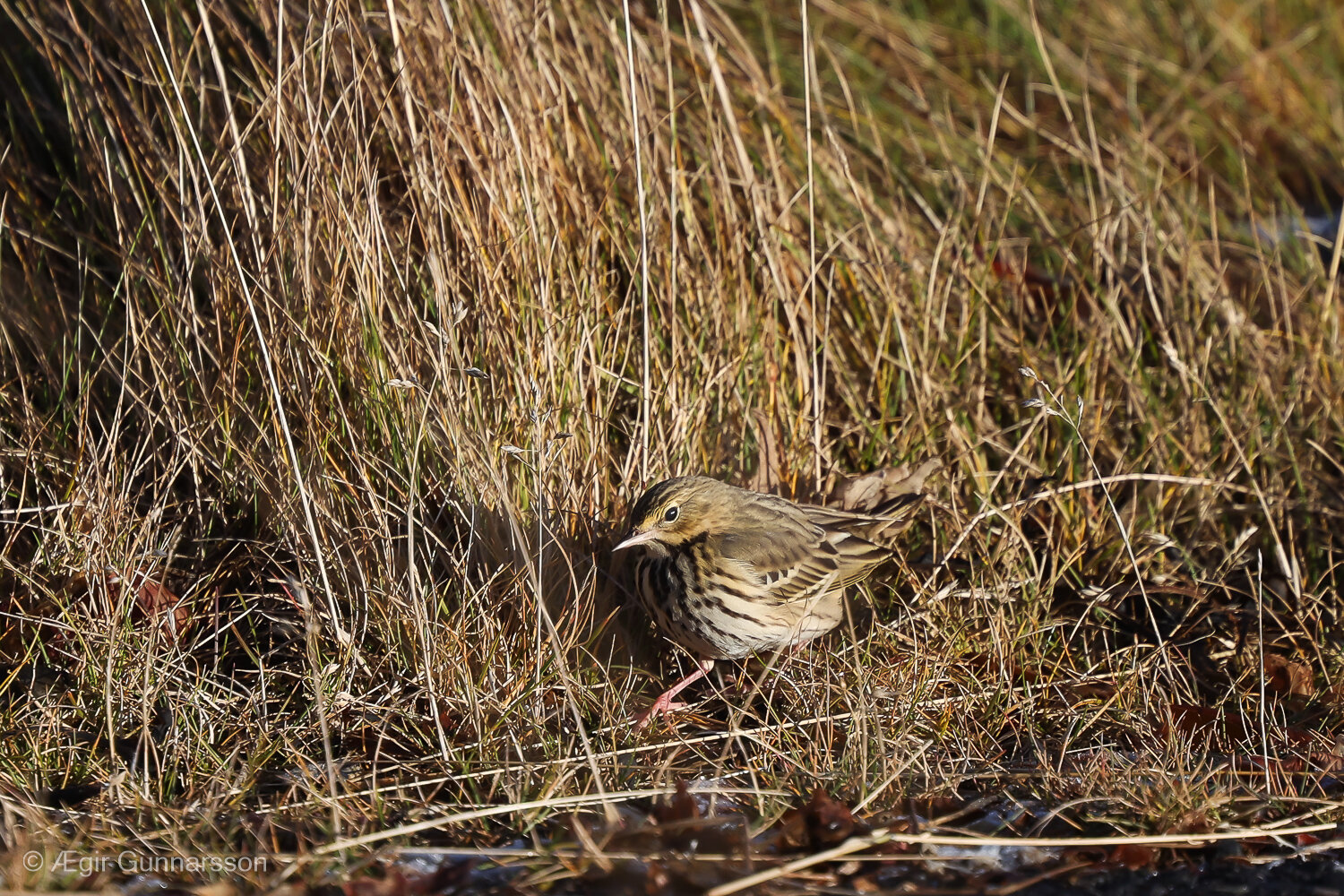
Trjátittlingur
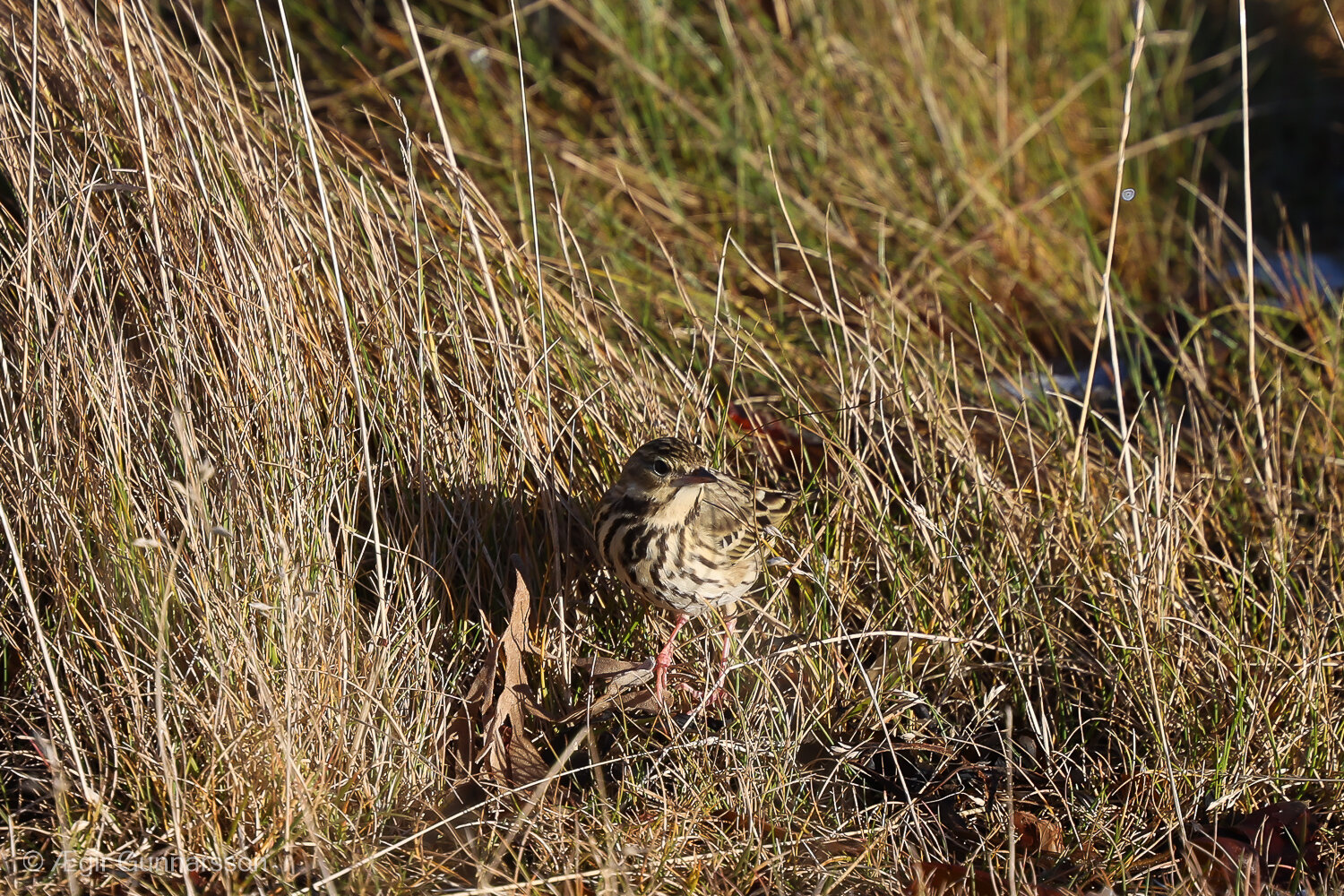
Trjátittlingur
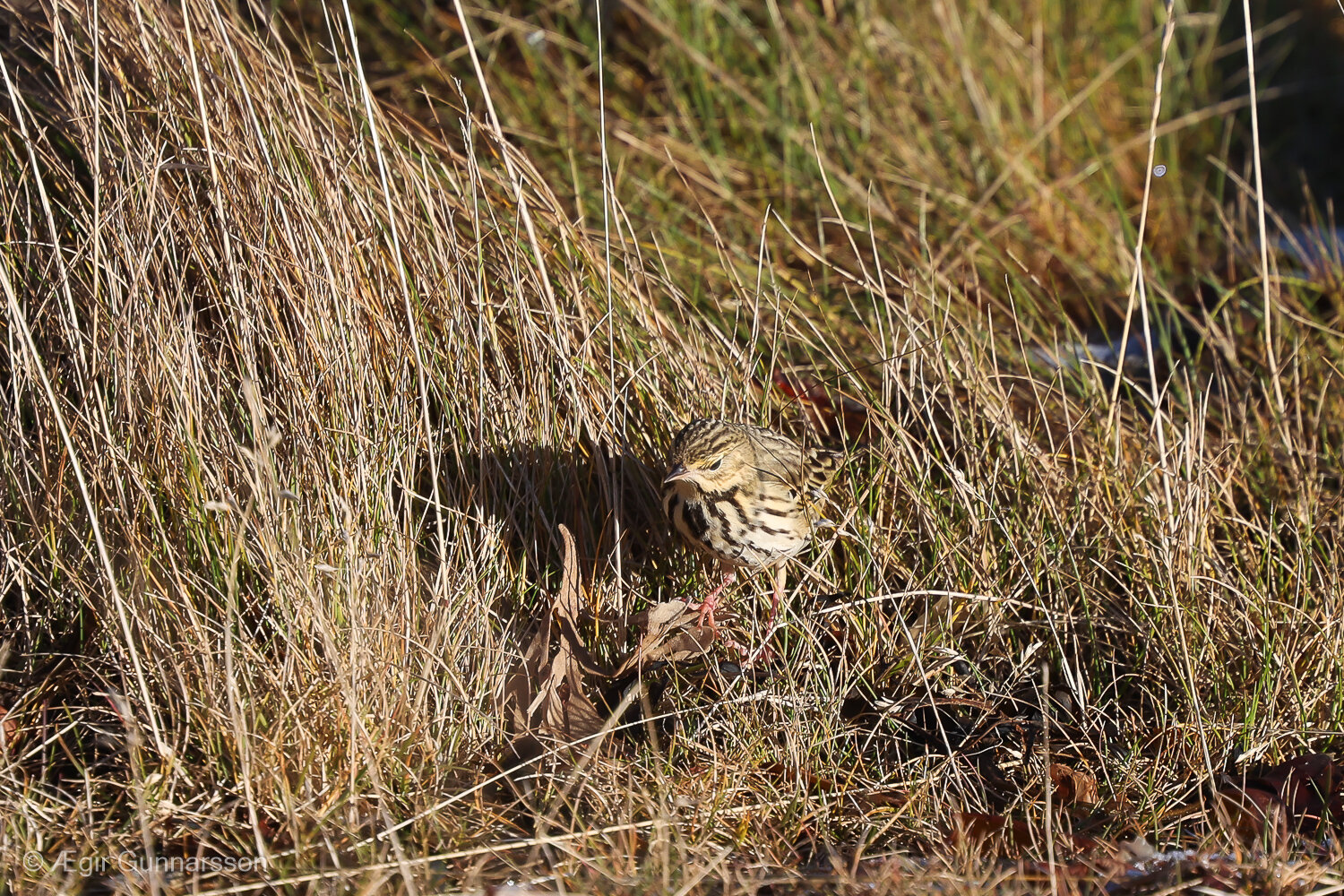
Trjátittlingur
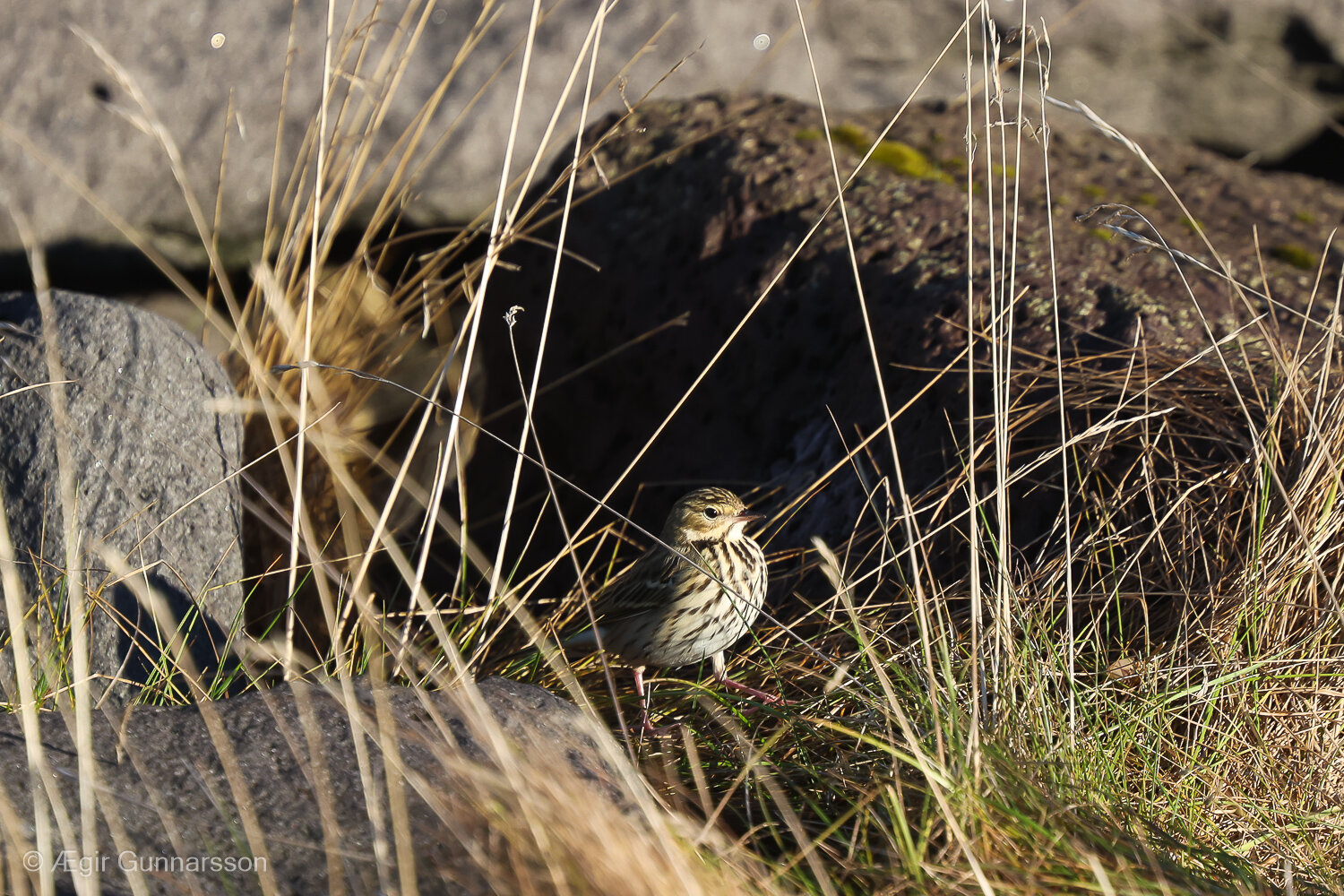
Trjátittlingur
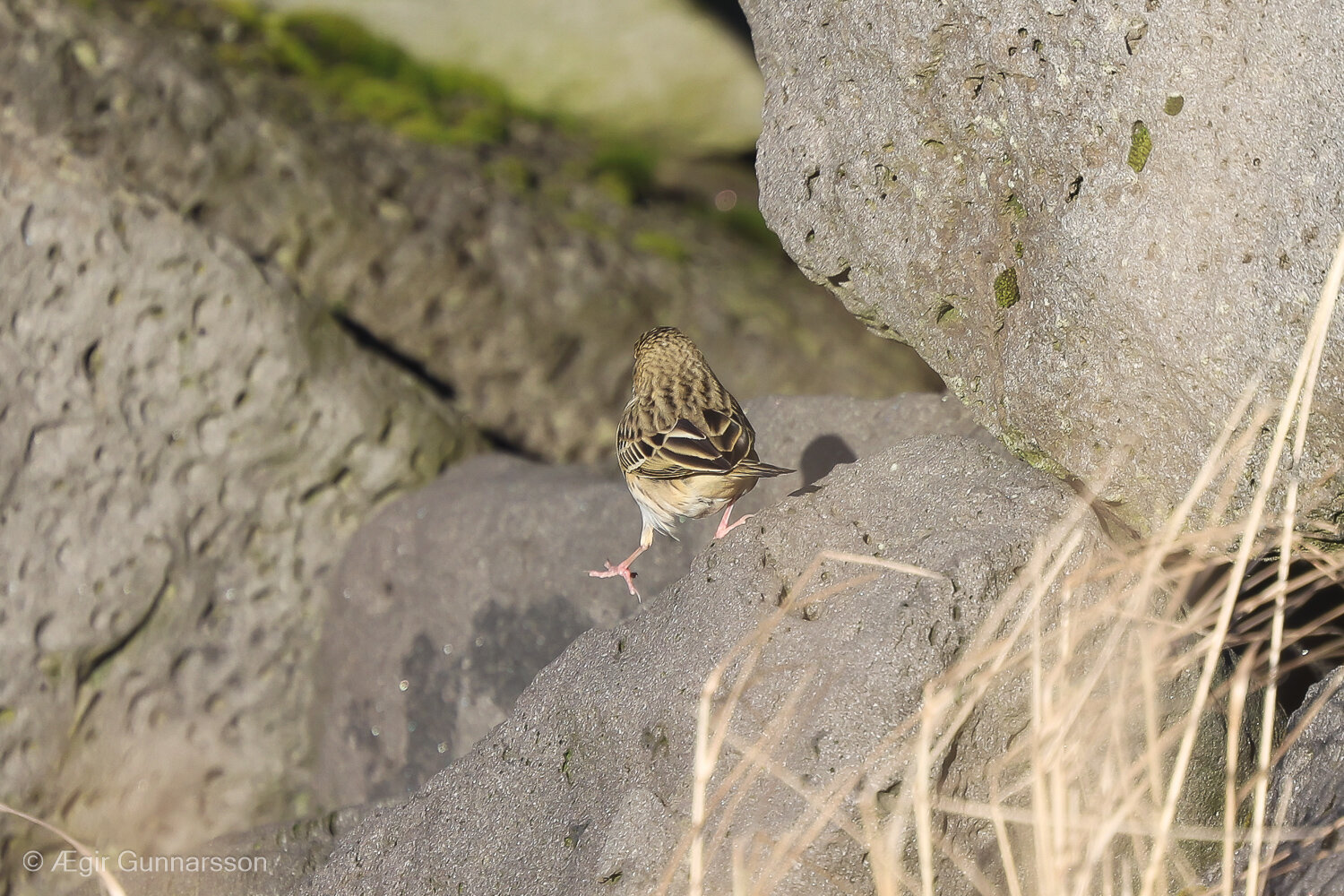
Trjátittlingur
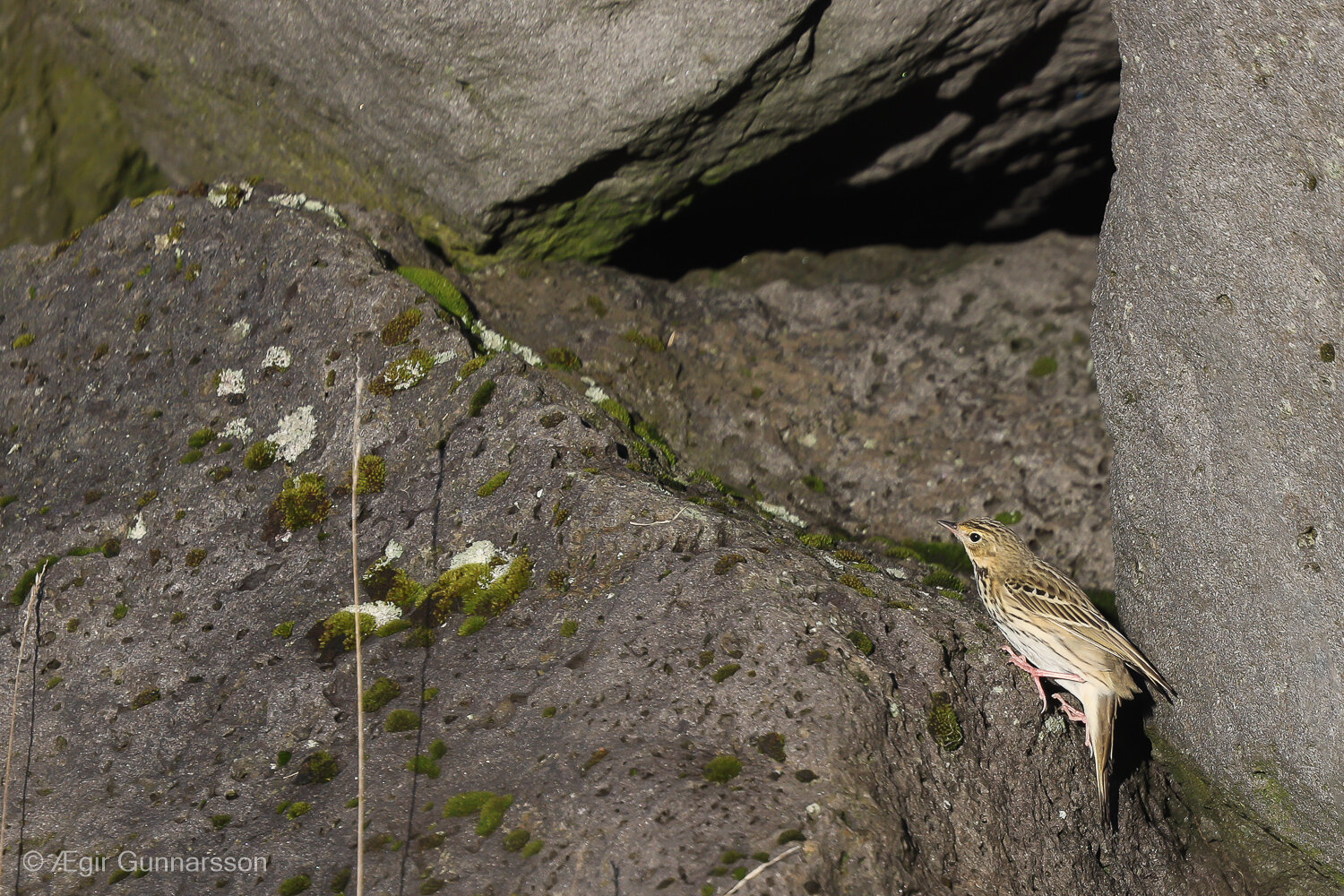
Trjátittlingur

Trjátittlingur
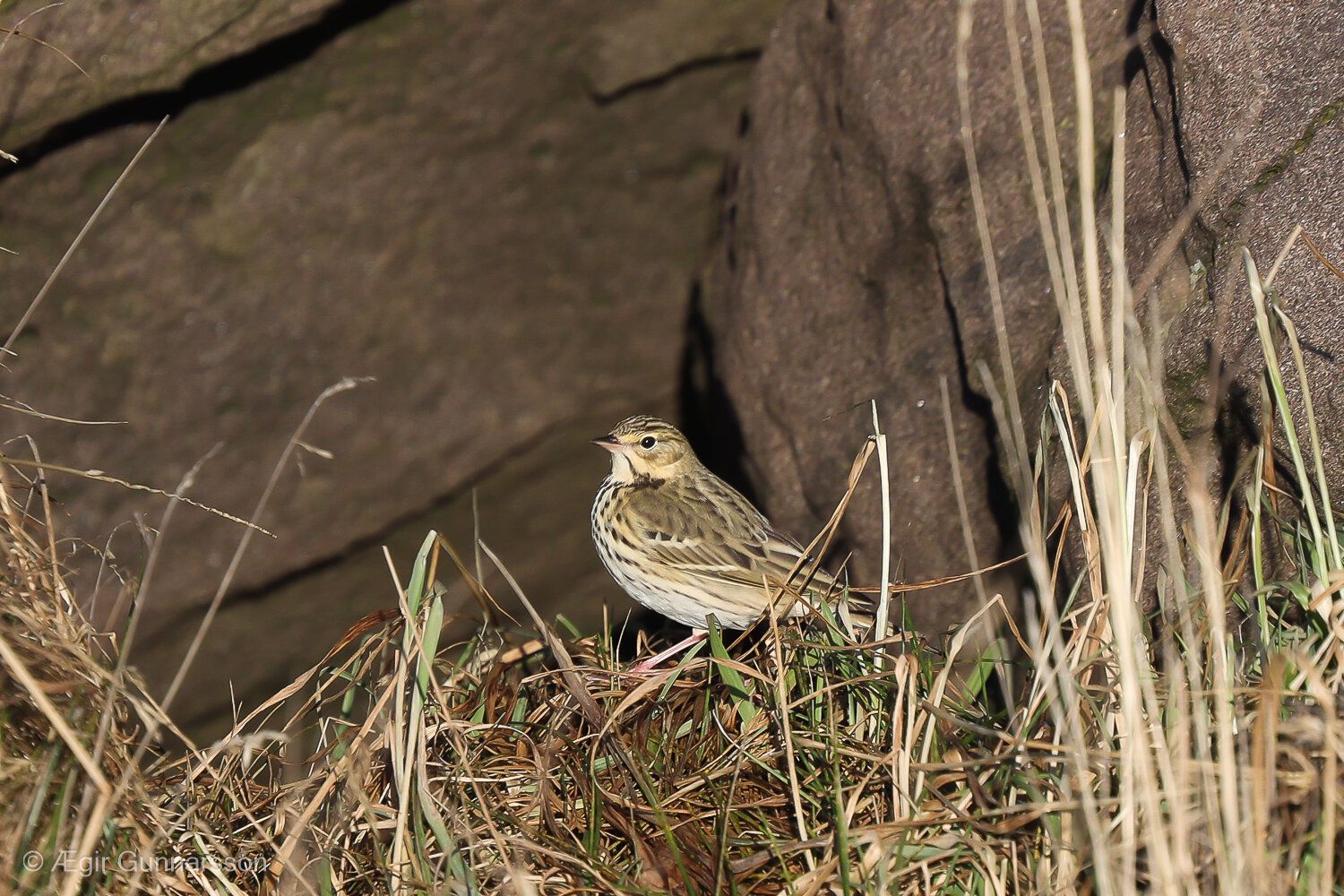
Trjátittlingur
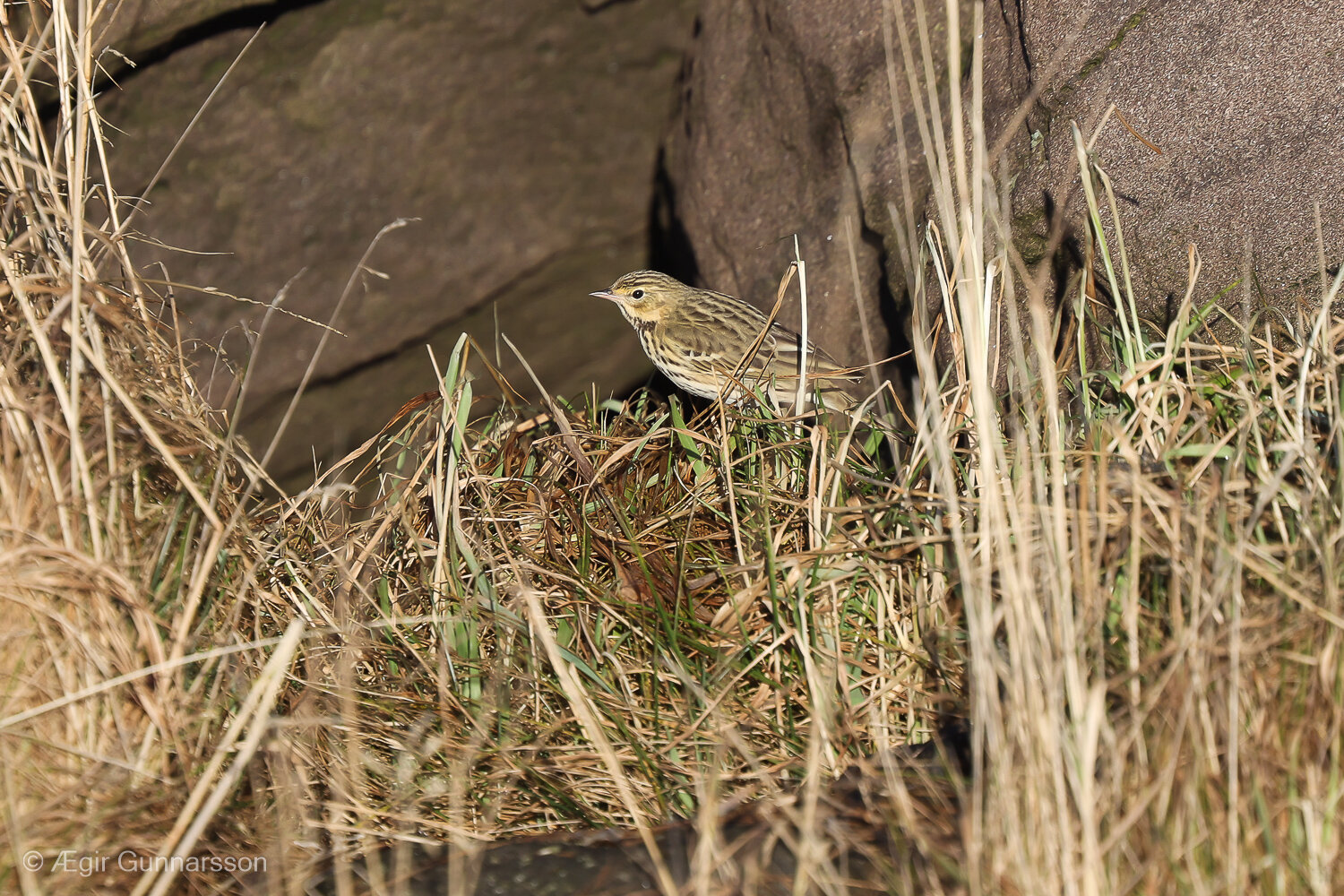
Trjátittlingur
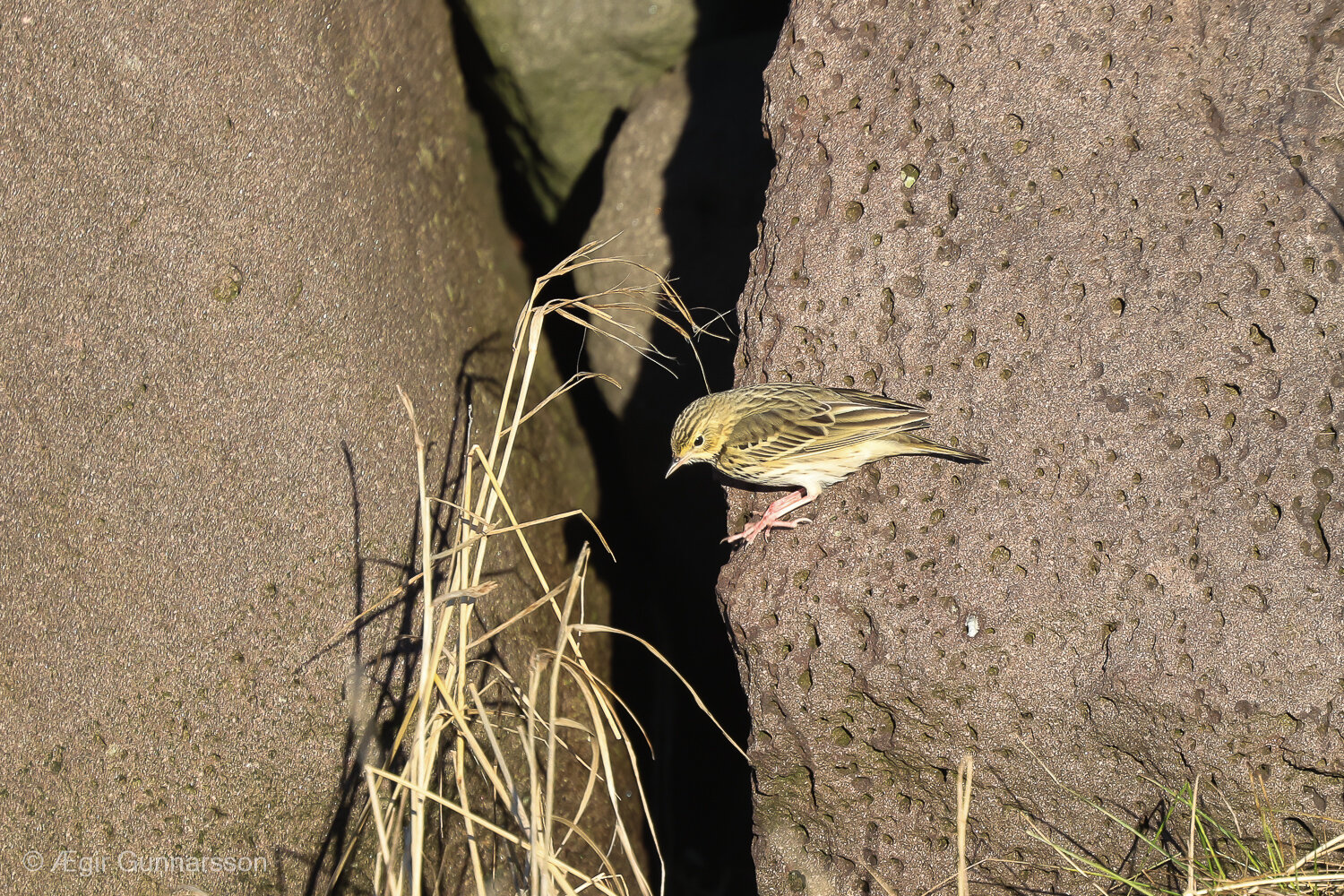
Trjátittlingur

Trjátittlingur


